Introduction
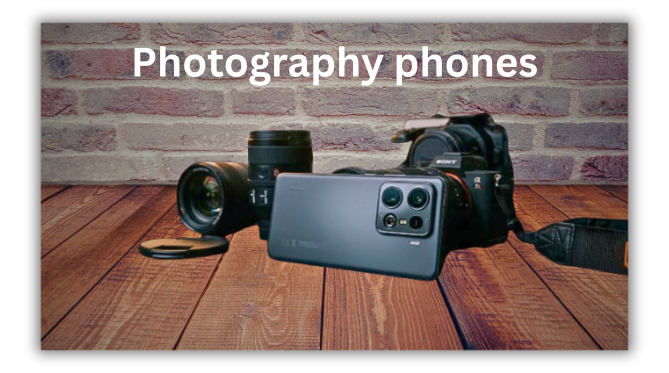
If you enjoy taking photos on your mobile—whether it’s travel photography, portraits, or creating content for Instagram or YouTube—choosing the right smartphone camera is essential.
Modern smartphones offer features like high-resolution cameras, optical zoom, night mode, and AI-powered photo editing.
however, a higher megapixel count does not necessarily guarantee the best photos.
When selecting the best smartphone for photography in 2026, you should consider factors such as the camera sensor, lens quality, color processing, low-light performance, and video recording capabilities.
In this guide, we will explore five excellent camera smartphones tailored to different needs, helping you choose the right device for your budget.
1. Samsung galaxy S26 Ultra
If you are looking for a smartphone capable of capturing stunning images in a variety of scenarios, the Samsung Galaxy S26 Ultra is a strong contender.
Its camera system includes a high-resolution main camera, an ultra-wide lens, and telephoto capabilities.
A key strength of this phone is its ability to capture distant subjects and handle diverse styles of photography.
The zoom camera is particularly useful when traveling—whether you are photographing mountains, wildlife, or subjects located far away.
It also features AI-powered photo editing and camera tools that can help enhance your images.
However, it is important to maintain natural colors and realistic details when editing your photos.
The biggest drawback is its price; if you have a limited budget, more affordable phones may also be able to meet your needs.
Best suited for:
Travel photography, zoom shots, landscapes, and an all-around versatile camera experience.
2. Apple iphone 17 pro Max
If your priority includes both photo and video recording, the Apple iPhone 17 Pro Max is a strong contender.
Its camera system is known for delivering natural colors, excellent detail, and high-quality video footage.
You can use this phone to capture family photos, travel shots, and portraits, as well as to create videos for social media.
For video creators, the stabilization and recording options are highly useful.
Furthermore, the iPhone’s camera interface is intuitive, making it easy for new users to take photos without any difficulty.
However, it comes with a high price tag, and some select Android flagship phones may offer more manual control over certain camera settings.
Therefore, it is advisable to carefully evaluate your specific needs and budget before making a purchase.
Best for:
Video creators, bloggers, and users who require high-quality performance in both photography and videography.
3. Google Pixel 10 Pro
The Google Pixel 10 Pro XL can be a great choice for those who want to capture high-quality images without needing to adjust complex settings.
A key strength of the Pixel series is its computational photography, where software plays a crucial role in enhancing the images captured by the camera.
This type of processing is particularly helpful for portrait photography, everyday snapshots, and shooting in low-light conditions.
The AI-powered editing tools available on the phone are useful for modifying images and preparing them before sharing them on social media.
However, AI-based editing should be used with caution; if you are publishing images of real-world events or projects, you should avoid making changes that could mislead the audience.
Best for:
Portrait photography, everyday snapshots, and a simple, user-friendly camera experience.
4. vivo X300 Ultra
If you approach photography with a serious, technical mindset, the Vivo X300 Ultra is a premium option.
Its camera system offers various focal lengths, making it useful for capturing portraits, travel scenes, and distant subjects.
It excels in portrait photography, delivering natural skin tones and effectively separating the subject from the background.
For users who prefer manual control, features like 'Pro Mode' are also a significant advantage.
However, such premium phones come with a high price tag.
if you only take photos occasionally, there is no need to invest in such an expensive device.
Best for:
Portrait photography, travel, and advanced mobile photography.
5. Xiaomi 17 ultra
For those who enjoy taking photos at night, the 17 Ultra is an attractive option.
Its camera system includes features like a large main sensor and a telephoto lens, which are helpful for capturing images in various conditions.
A large camera sensor can capture more light in low-light environments, potentially resulting in better detail and less visual noise in night photography.
However, the actual outcome depends on the camera software, the lens, and the ambient lighting.
This phone is well-suited for those who want to capture night scenes, street photography, or various subjects while traveling.
Best for:
Those interested in night photography, shooting in low-light conditions, or seeking greater control over camera settings.
Things to consider when buying a phone for photography
Don't buy a smartphone based solely on its camera's megapixels. be sure to check these important factors:
1. Camera sensor:
A larger, better-quality sensor helps deliver superior results in low-light conditions.
2. OIS support:
Optical Image Stabilization helps minimize the effects of hand shake.
3. Telephoto camera:
Useful for capturing distant objects and taking portraits.
4. Front camera:
For selfies and video calls, check the camera quality, autofocus, and skin tone reproduction.
5. Storage:
High-quality photos and 4K videos take up a lot of space, so ensure you choose a device with sufficient storage.
conclusion
In 2026, the best camera smartphone for you will depend on your specific photography needs.
The Samsung Galaxy S26 Ultra is a great all-rounder. the iPhone 17 Pro Max excels in video recording. the Google Pixel 10 Pro XL offers effortless photo processing. the Vivo X300 Ultra is ideal for portraits. and the Xiaomi 17 Ultra is a strong contender for low-light photography.
Our advice:
If you are looking to buy a new smartphone for photography, do not base your decision solely on the megapixel count.
Be sure to evaluate factors like natural color reproduction, night mode performance, and zoom quality.
Choose a phone that aligns with your budget and requirements, ensuring you get the best possible camera experience and that your money is well spent.